Higher Education Resources
Students with food allergies should feel safe and supported wherever they choose to study and live. These resources empower students, peers, and universities to create allergy-aware campuses where everyone can thrive.

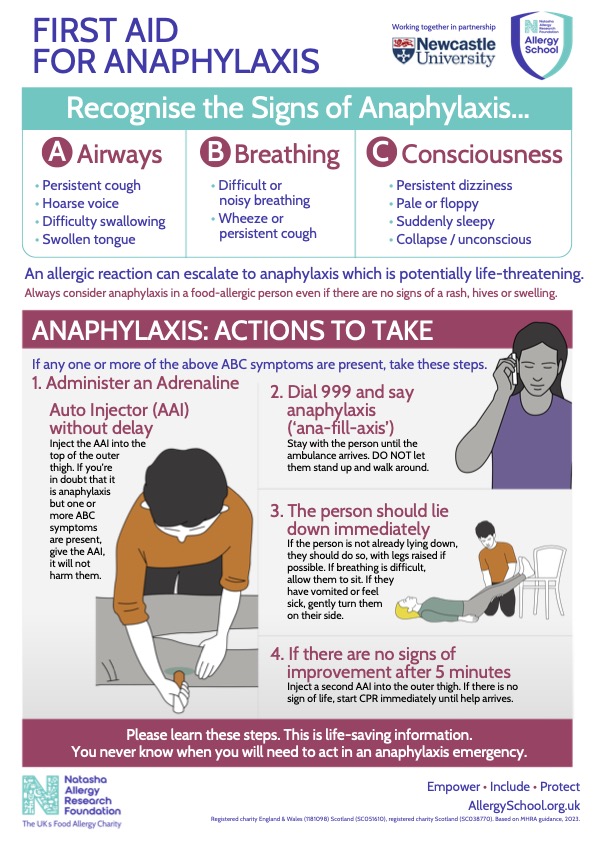
1. Downloadable Poster
A clear and accessible poster on managing allergies at university.
Request Your University Logo:
We can add your official logo to the awareness poster and provide a print-ready version.
Upload logo
2. Student Leaflet (Flipbook)
An interactive guide for students starting university with allergies.
University Updates & Alerts
Stay informed about university-specific allergy updates and best practices.
Examples include:

Newcastle University
Newcastle University has partnered with the Foundation to champion food allergy awareness and student wellbeing across campus, marking another significant step in NARF’s national campaign to create safer, more inclusive communities.
With the support of Sally Ingram and Owen Seth from Newcastle’s Wellbeing Department, the Foundation joined the university’s Freshers’ Fair Health Day, where the team connected directly with first-year students to raise awareness of food allergies, share practical guidance, and signpost support available through the Foundation and their university.
Throughout the campaign, “Starting University” leaflets were distributed, offering advice on how to manage allergies while living away from home, from starting conversations with flatmates to keeping shared kitchens safe and knowing how to respond in an emergency.
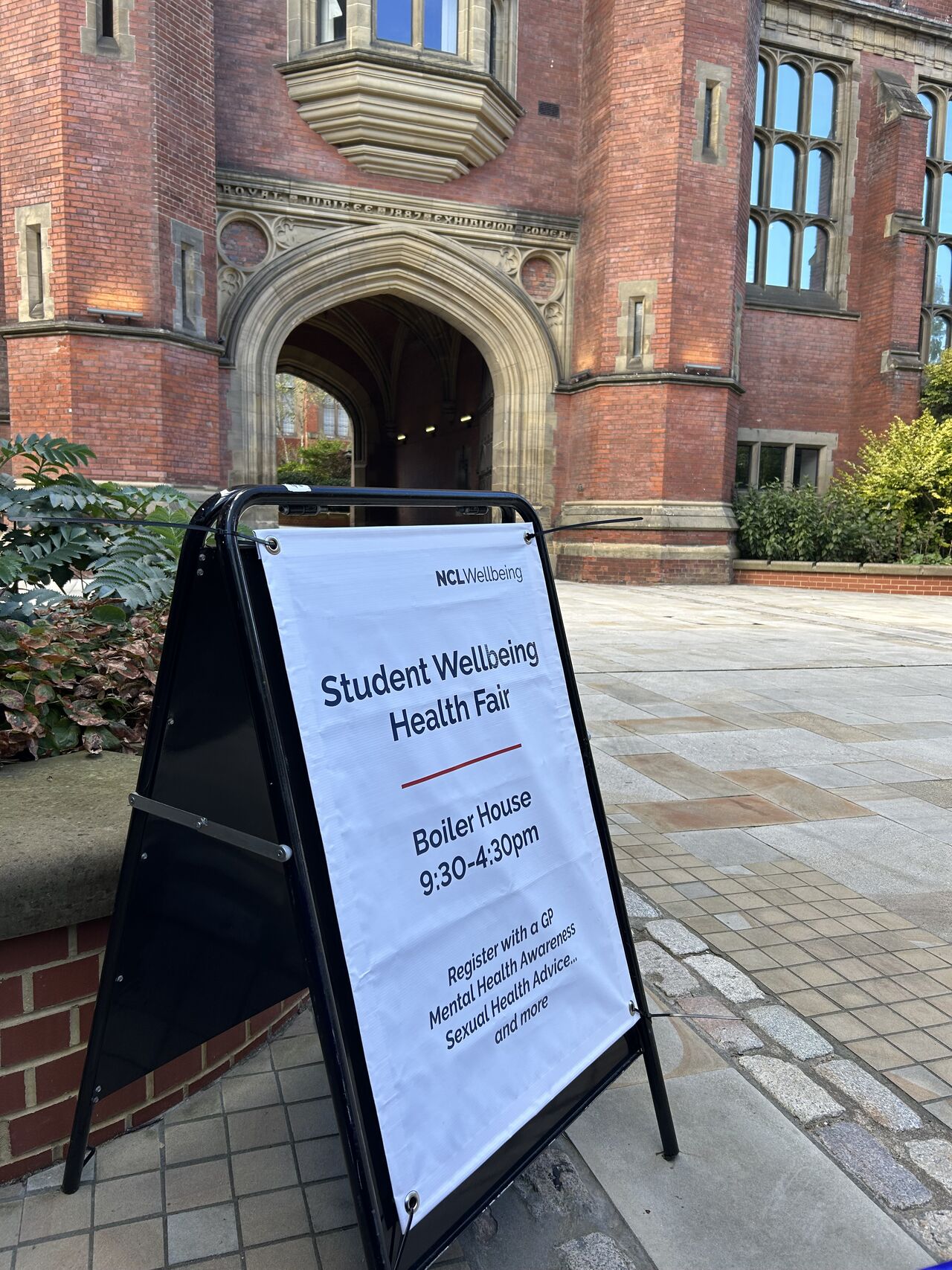

Anaphylaxis First Aid posters
To reinforce these messages across campus, Anaphylaxis First Aid posters have been displayed in shared accommodation spaces, while digital assets promoting allergy awareness and emergency response have been placed across key social and communal areas.
Articles in student wellbeing magazines have also helped reach the wider student community, embedding allergy education into university life and normalising conversations around allergy safety and inclusion.
First piloted at Newcastle University, these resources and approaches will now be made available to universities nationwide, helping to create a consistent, national standard for food allergy awareness and safety in higher education.
Together, we are setting a new benchmark for allergy education and inclusion, empowering every student to feel informed, supported, and safe.
Derby University
Third-year Business Management students from the University of Derby have partnered with the Foundation to explore new ways to improve food allergy awareness and support across the higher education sector.
As part of their Business Consultancy Project, the students worked on a live brief from NARF, applying their business and analytical skills to develop innovative, evidence-based strategies aimed at promoting inclusion, understanding, and safety for students living with food allergies.
Supported by lecturers Anne Wylie, Rob Moon, Dr Mark Hoyle, and Darren Byrne, the project encouraged students to think critically and creatively about how universities can lead change in this area.
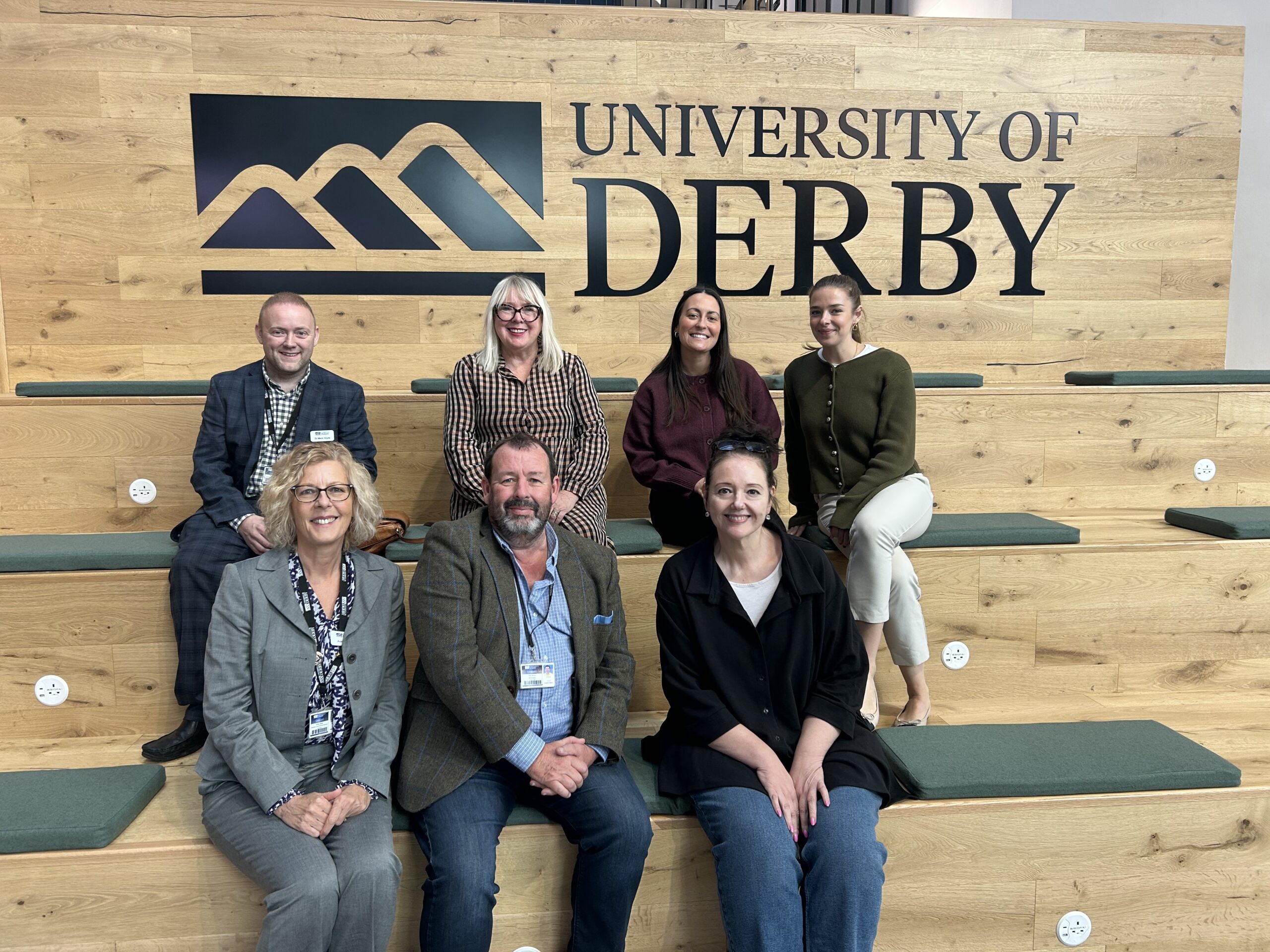

After an initial project launch, the students refined their consultancy proposals and took part in an interactive session, where they presented their ideas, debated solutions, and received live feedback from NARF team members, who acted as critical friends to help shape the outcomes.
This collaboration highlights the power of partnership between education and charity, enabling students to gain practical consultancy experience while contributing meaningful insights to support NARF’s mission to make allergy education a global priority.
Together, the University of Derby and the Natasha Allergy Research Foundation are inspiring the next generation of business leaders and changemakers to create safer, more inclusive environments for everyone living with food allergies.
Recognise and Respond
Understanding how to recognise and respond to a food allergy emergency is essential for keeping students safe and confident, particularly in higher education settings where many young people are managing their allergies independently for the first time.
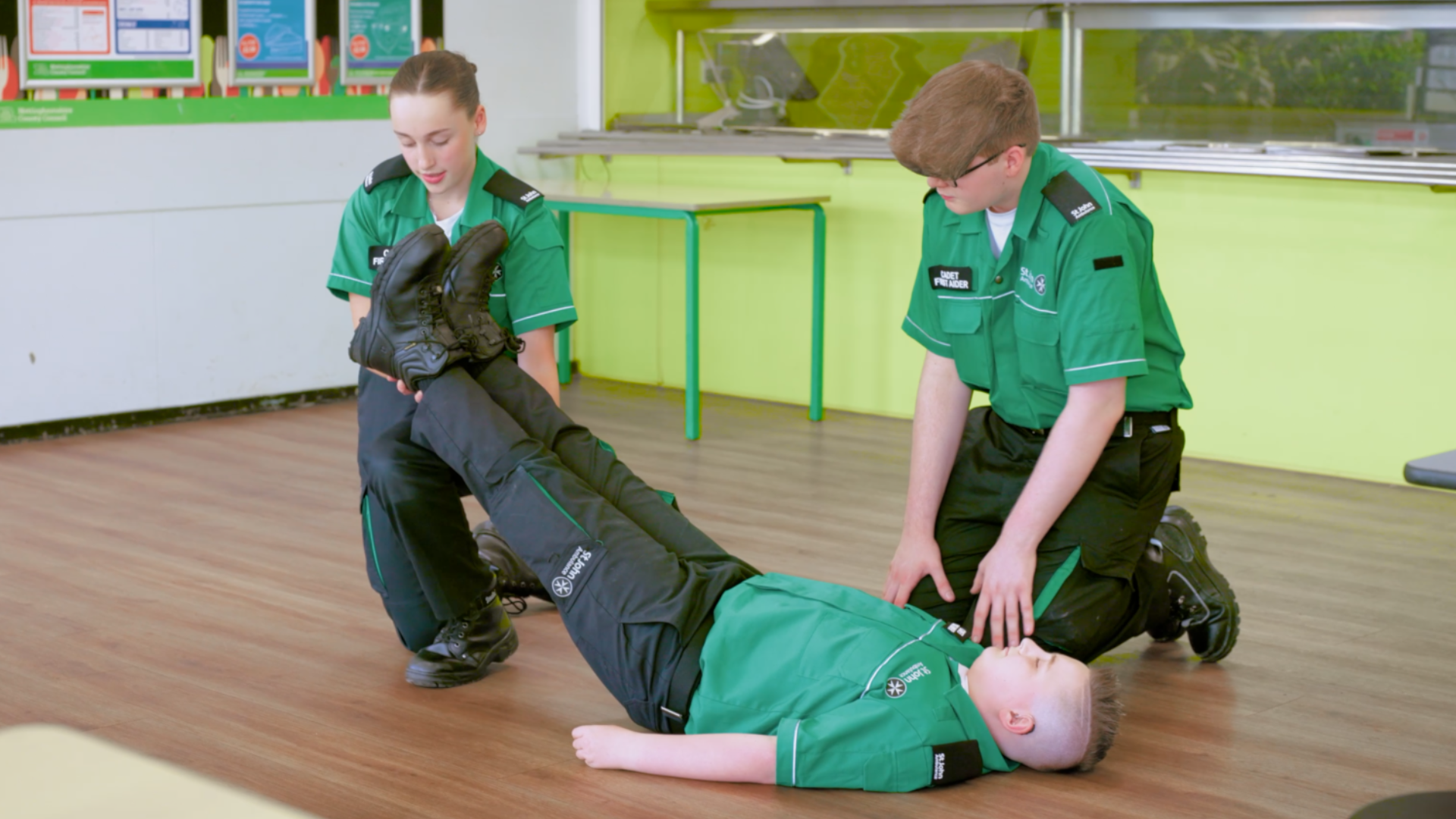
Allergy School has partnered with St John Ambulance to produce a short film on how to respond to food allergy emergencies on campus or in shared accommodation.
Universities and colleges can join Allergy School for practical guidance on managing allergic reactions, including when and how to use an adrenaline auto-injector (AAI).
We also recommend High Speed Training’s accredited Allergy and Anaphylaxis for Schools course, a three-module e-learning programme that builds staff confidence in supporting allergic students and helps young people manage their allergies safely in independent or shared living settings.
PLUS: Subscribe to our newsletter
Ambassador Voices

“University life is all about new experiences, but sharing kitchens safely makes a big difference.
I always carried two AAIs and kept my flatmates informed.”
Kitty
– BA (Hons) Philosophy and English, University of Sussex
““Being open about my allergy early on helped me feel safer. A quick chat with flatmates about food sharing rules really helped.”
Zara
– BSc (Hons) Food Science and Nutrition with Industrial Year, University of Nottingham
